You have heard the term “holistic treatment” before. Maybe it sounds vague, or like it means choosing yoga over actual therapy. You are wondering what it actually means when a program says they treat the whole person and whether it is legitimate or just marketing language.
Here is what you need to know: at Wolf Creek Recovery, holistic addiction treatment does not replace evidence-based care. It strengthens it. The clinical foundation remains constant, featuring multiple individual therapy sessions each week with Master’s-level clinicians, in-person psychiatric evaluations with provider visits weekly or several times per week, and comprehensive treatment planning based on your specific circumstances. What “holistic” means is that we also address what traditional models sometimes overlook: the physical health, emotional patterns, relational damage, and spiritual disconnection that both fuel and result from substance use.
This is not about choosing one approach over another. It is about recognizing that addiction does not exist in isolation, and neither does recovery.
What Holistic Actually Means in Clinical Practice
A holistic approach to recovery acknowledges a simple truth: you are more than your substance use disorder. The reasons you started using, the damage that has accumulated, and the life you are trying to rebuild all require attention that goes beyond stopping the substance itself.
At both our Scottsdale and Prescott locations, this means addressing physical health through fitness programming and nutrition support, psychological healing through evidence-based modalities including our EMDR trauma track with EMDRIA-certified therapists, relational repair through our family therapy track with extensive family systems work, and emotional regulation through consistent therapeutic support.
Our holistic addiction treatment integrates modalities that complement the clinical work rather than replacing it. Equine therapy at our Scottsdale location, structured golf therapy at both campuses, off-site hiking, and wellness activities occur alongside your therapy schedule, not instead of it.
You will still have multiple individual therapy sessions per week. You will still work with a psychiatrist who sees you regularly. You will still participate in evidence-based group therapy. What changes is that you also have time and space to reconnect with parts of yourself that addiction has eroded.
Why the Whole-Person Model Matters
Stopping substance use is the beginning. What comes after learning to live differently, repairing what has been broken, and building something sustainable requires more than willpower.
The holistic approach recognizes that trauma or co-occurring mental health conditions frequently accompany substance use, which is why our specialized EMDR track addresses deep-seated experiences that traditional talk therapy may not fully resolve. Your body holds the stress that your mind is trying to process, which is why movement, nutrition, and physical restoration are part of treatment. Isolation perpetuates the cycle, which is why family therapy and relational work are central to healing. Recovery requires a new way of being, not just new coping skills, which is why you need time, privacy, and an environment that supports deep work.
At Wolf Creek Recovery, luxury is not about surface amenities, though the environment matters. It is about having the time and individual attention necessary to do this work thoroughly. Single executive rooms and semi-private accommodations with full and queen-sized beds provide the comfort and discretion that allow you to focus entirely on healing.
What This Looks Like in Your Treatment
Your individualized treatment plan may include evidence-based therapy, psychiatric care, trauma processing, family sessions, physical wellness programming, outdoor therapy, and holistic modalities, all coordinated to address what you specifically need. Length of stay is individualized, typically ranging from 30 to 120 days, with upscale supportive housing and extended care available when additional structure supports your recovery.
If you are a family member researching on behalf of someone you love, know this: holistic does not mean unstructured or vague. It means comprehensive, coordinated, and clinically grounded care that goes beyond symptom management. Comprehensive family involvement and direct communication with therapists allow you to be active and present throughout the treatment process.
Understanding Coverage and Financial Options
Figuring out how to pay for treatment should never add stress to an already difficult moment. Our admissions team handles the administrative burden for you by running a fast, confidential benefits check to break down what your specific insurance policy covers. Insurance can sometimes cover up to 100% of our program.
Major commercial insurance providers, including Aetna, Cigna, Anthem, BlueCross BlueShield, GEHA, MultiPlan, Beacon, AmeriBen, TriWest, Carelon, and UMR, frequently approve extended care when it aligns with your medical needs. Please note that we do not accept state-funded Medicare or Medicaid programs, but transparent private pay alternatives are always available.
You Do Not Have to Decide Alone
Recovery that lasts requires treating more than symptoms. Wolf Creek Recovery offers a full continuum of care, with structured support at every step. If you or someone you love is ready for comprehensive, clinically grounded care that addresses the whole person, make this your last stop and get sober and healthy today.
Call us 24/7 at (833) 732-8202 for confidential support and insurance verification, or visit wolfcreekrecovery.com.
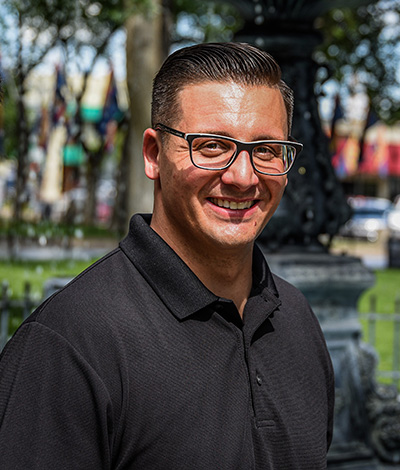
Finding purpose in pain is what Jonathon does best. He is a strong advocate for those suffering from substance use disorders. As a person in recovery, Jonathon knows how important it is to receive empathy and compassion. He recognizes that each person comes from a different set of circumstances and deserves to be valued and respected.
With a fresh perspective and compassionate attitude, Jonathon works closely with clients to help them let go of the past and know when to take necessary risks. The recovery process is ongoing, which means people need to move forward while applying the skills learned in treatment. Jonathon is a great motivator when it comes time for this!
Jonathon also places emphasis on the family unit and how it can make or break the recovery experience. Individuals with active, supportive families have far better outcomes. Jonathon realizes that it’s impossible to move mountains overnight, but with the right support team and positive attitude, anything is possible.