
You have already tried to stop. Maybe you managed a few weeks, even months. But somehow the pull came back, not just the cravings, but something deeper. The feeling you cannot quite name. The memory you cannot outrun. The thing you started using to forget in the first place.
If you have been researching addiction treatment in Scottsdale and keep seeing EMDR therapy mentioned alongside trauma care, you are likely wondering what it actually is and whether it might be what finally works.
It might be exactly that.
What EMDR Therapy Actually Is
Eye Movement Desensitization and Reprocessing (EMDR) is a structured psychotherapy designed to help your brain process traumatic memories that remain unresolved. Unlike traditional talk therapy, EMDR does not require you to relive every detail or narrate your story over and over. Instead, it works with how your brain naturally processes information.
During EMDR, our trained therapists guide you through bilateral stimulation, typically through eye movements, tapping, or auditory tones, while you briefly focus on a distressing memory. This process allows your brain to reprocess the trauma in a way it could not when the event first occurred, reducing the emotional charge that memory still carries.
The result is not forgetting what happened. It is remembering without the same visceral reaction that once drove you to numb it.
Why Trauma and Addiction Are Connected
When we evaluate substance use disorders, we know many individuals are not just self-medicating stress or boredom. They are managing unprocessed trauma, such as childhood neglect, abuse, violence, loss, or even experiences they have minimized because other people had it worse.
Trauma changes how your nervous system responds to threat. Long after the event ends, your body may still be stuck in survival mode. Substances become a way to regulate what feels unregulable, including hypervigilance, emotional flooding, dissociation, and shame.
Traditional talk therapy can help you understand why you feel the way you do. But understanding does not always change the feeling. EMDR therapy addresses trauma at the nervous system level, where it is stored and continues to trigger distress.
How EMDR Differs from Talk Therapy
In conventional therapy, you might spend months building insight into your past. EMDR therapy works differently. It is not about analyzing or interpreting; it is about allowing your brain to complete the processing that trauma interrupted.
You do not need to fully articulate what happened or why it matters. The bilateral stimulation helps your brain move the memory from a place of unresolved distress into adaptive resolution. Many clients describe it as finally being able to put the memory down after carrying it for years.
This makes EMDR particularly valuable in our addiction treatment programs, where shame, avoidance, and difficulty verbalizing pain often prevent people from fully engaging in traditional therapy.
EMDR and Addiction Treatment at Wolf Creek Recovery
At Wolf Creek Recovery in Scottsdale, our EMDR and addiction treatment are integrated into a comprehensive care plan that addresses both challenges simultaneously. Our dedicated EMDR therapy trauma track is led by EMDRIA-certified and internationally trained clinicians who specialize in this work.
This is not a weekend workshop certification. These are our Master’s-level therapists with advanced training in a highly specific modality, working within an environment designed to support deep clinical work.
Our EMDR track is paired with multiple individual therapy sessions per week, allowing for the continuity and safety essential to trauma reprocessing. We ensure you are not rushing through sessions or waiting two weeks between appointments. You have the time and attention necessary to do this work properly with us.
Family involvement is also available throughout the process, helping loved ones understand what you are working through and how we can support lasting change together.
What to Expect from EMDR in Treatment
EMDR is not a single session. It unfolds in phases: history-taking, preparation, identifying target memories, reprocessing, and integration. Our therapists will never push you beyond what feels manageable.
Between sessions, you will have access to our full continuum of care, including evidence-based group therapy, holistic modalities, psychiatric support, and an environment that allows you to focus without distraction. Private accommodations, a supportive Scottsdale setting, and the discretion to heal without outside pressures provide the ideal backdrop for recovery.
Understanding Coverage and Financial Options
Figuring out how to pay for treatment should never add stress to an already difficult moment. Our admissions team handles the administrative burden for you by running a thorough, confidential benefits check to break down what your specific insurance policy covers. Insurance can sometimes cover up to 100% of our program.
Major commercial insurance providers, including Aetna, Cigna, Anthem, BlueCross BlueShield, GEHA, MultiPlan, Beacon, AmeriBen, TriWest, Carelon, and UMR, frequently approve extended care when it aligns with your medical needs. Please note that we do not accept state-funded Medicare or Medicaid programs, but transparent private pay alternatives are always available.
You Don’t Have to Carry It Anymore
If the thing keeping you stuck is not just the substance but what you are trying not to feel, it is worth exploring whether trauma is part of the picture.
At Wolf Creek Recovery, our Scottsdale program offers the clinical depth, certified expertise in EMDR therapy, and individualized attention to address both. At Wolf Creek Recovery, you do not have to face this alone. Our Scottsdale program brings together certified EMDR expertise, individualized attention, and a full continuum of care to support you through every stage of recovery. Make this your last stop and get sober and healthy today with us.
Call us 24/7 at (833) 732-8202 for confidential support and insurance verification, or visit wolfcreekrecovery.com.
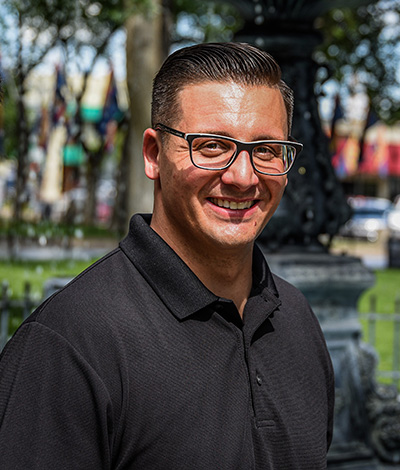
Finding purpose in pain is what Jonathon does best. He is a strong advocate for those suffering from substance use disorders. As a person in recovery, Jonathon knows how important it is to receive empathy and compassion. He recognizes that each person comes from a different set of circumstances and deserves to be valued and respected.
With a fresh perspective and compassionate attitude, Jonathon works closely with clients to help them let go of the past and know when to take necessary risks. The recovery process is ongoing, which means people need to move forward while applying the skills learned in treatment. Jonathon is a great motivator when it comes time for this!
Jonathon also places emphasis on the family unit and how it can make or break the recovery experience. Individuals with active, supportive families have far better outcomes. Jonathon realizes that it’s impossible to move mountains overnight, but with the right support team and positive attitude, anything is possible.