
By the time alcohol rehab feels necessary, life may already have narrowed around the problem. Conversations become guarded. Familiar routines keep pulling you back into patterns you have tried to change. If you are searching for yourself or someone you love, leaving those surroundings even temporarily can feel both relieving and uncertain.
At Wolf Creek Recovery, a different setting is not treated as recovery itself. The luxury residential program in Scottsdale pairs privacy and breathing room with intensive clinical care and close personal attention. Clients may arrive from nearby, elsewhere in Arizona, or across the country; what unites them is the need for a place where treatment can receive their full attention.
Space From the Patterns That Keep Pulling You Back
A search for “alcohol rehab near me Scottsdale” can identify locations, but it cannot tell you where you will feel safe enough to be honest or supported enough to stay engaged. At Wolf Creek Recovery, the Scottsdale setting creates a deliberate boundary between treatment and the expectations, relationships, and routines that may have made change more difficult.
For someone nearby, residential care can offer separation without leaving Scottsdale. For someone choosing to travel for rehab in Arizona, Wolf Creek Recovery offers a discreet destination away from the demands of home. Distance matters only when it creates room for honest, focused clinical work.
Individual Care Gives That Space a Purpose
Wolf Creek Recovery builds treatment around the person, not a standard itinerary. Its two-therapist approach provides each client with more than one clinical perspective, while multiple individual therapy sessions each week create space to explore the patterns sustaining alcohol use. Master’s-level clinicians can adjust the plan as the client’s needs and goals become clearer.
You may be carrying more than the drinking itself: anxiety that never settles, grief you have learned to avoid, or trauma that continues to shape daily life. At Wolf Creek Recovery, in-person psychiatric evaluations and provider visits – available weekly or several times per week—help keep clinical and psychiatric care connected. This depth matters when comparing local vs. out-of-town rehab: Scottsdale may offer the setting, but responsive care gives that setting a clinical purpose.
This approach reflects National Institute on Alcohol Abuse and Alcoholism guidance that treatment should be matched to the person through professional assessment. At Wolf Creek Recovery, the plan develops with the client rather than following a preset experience.
Trauma and Family Are Not Left at the Door
For some people, alcohol has become a way to live around painful experiences they have not known how to address. When assessment points to trauma work, Wolf Creek Recovery can incorporate its dedicated EMDR track, led by EMDRIA/internationally certified therapists. EMDR becomes part of the larger clinical plan when appropriate; it is not presented as a universal answer.
Loved ones may arrive at this point exhausted, frightened, or unsure what to believe. Wolf Creek Recovery’s family therapy track creates a structured place for therapist communication and family sessions when included in the client’s treatment plan and authorized by the client. These can take place in person or virtually, allowing meaningful involvement even when treatment requires travel.
Comfort Supports the Work of Recovery
At Wolf Creek Recovery, luxury is reflected in discretion, personal attention, and an environment that feels composed rather than institutional. Single executive and semi-private rooms are available, with room assignments based on availability. The comfort of the setting gives clients space to process difficult emotions with fewer daily distractions.
Clients also have access to a pool and spa, full gym, personal training, structured golf and equine therapy, and off-site hiking. These resort-like features surround rather than replace the clinical work, offering movement, restoration, and time to regroup between demanding sessions.
Support Can Continue as Needs Change
Recovery rarely follows a neat timeline, especially when a person’s needs become clearer only after they feel safe enough to be honest. Wolf Creek Recovery’s continuum may include long-term residential treatment, partial hospitalization, intensive outpatient and outpatient care, upscale supportive housing, and extended care beyond 90 or 120 days when appropriate. Wolf Creek Recovery does not treat these services as an automatic progression; recommendations evolve through assessment and the client’s changing needs.
If withdrawal management may be needed, contact Wolf Creek Recovery to discuss current detox availability and what may be medically appropriate. Wolf Creek Recovery coordinates detox care across Arizona, including transportation and communication among families and medical providers, and helps organize the transition into continued treatment when admission is appropriate.
A Private Conversation Can Be the First Step
For you or your loved one, choosing a different setting is ultimately about finding the conditions in which honesty, rest, and meaningful participation feel possible again. Wolf Creek Recovery combines the privacy of an elevated Scottsdale environment with frequent individual therapy, psychiatric support, trauma treatment, family involvement, and a continuum designed to respond as recovery unfolds.
Call Wolf Creek Recovery at (833) 732-8202 or connect with the admissions team for a confidential conversation about treatment, detox availability, travel, and insurance verification. You do not need every answer before you call. Begin with what has been happening and what kind of support feels necessary now.
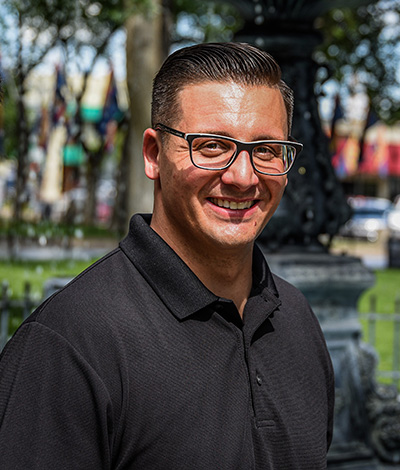
Finding purpose in pain is what Jonathon does best. He is a strong advocate for those suffering from substance use disorders. As a person in recovery, Jonathon knows how important it is to receive empathy and compassion. He recognizes that each person comes from a different set of circumstances and deserves to be valued and respected.
With a fresh perspective and compassionate attitude, Jonathon works closely with clients to help them let go of the past and know when to take necessary risks. The recovery process is ongoing, which means people need to move forward while applying the skills learned in treatment. Jonathon is a great motivator when it comes time for this!
Jonathon also places emphasis on the family unit and how it can make or break the recovery experience. Individuals with active, supportive families have far better outcomes. Jonathon realizes that it’s impossible to move mountains overnight, but with the right support team and positive attitude, anything is possible.