
Prescott, Arizona, has become a popular, top-rated destination for alcohol use disorder recovery. Nestled in the high desert at 5,400 feet, this historic mountain town offers a serene natural setting, a small-town atmosphere, and a strong network of recovery resources. Some people travel from out of state for treatment, while others come from hotter parts of Arizona to escape the desert heat and experience a change of scenery.
If you or a loved one is living with alcohol use disorder and needs treatment, it helps to understand what factors to consider and what Prescott has to offer. Here’s a closer look at alcohol treatment centers in Prescott, Arizona, and how to find the right program for your needs.
Why Prescott Has Become a Popular Recovery Hub
Some states are known for having an abundance of treatment centers, including California, Texas, and Florida, as they have dense populations and better access to funding and specialized treatment resources. However, states like Arizona are quietly growing as well because of their tranquil environments, holistic approaches, and high-quality treatment centers. Prescott, in particular, is a major hub for addiction recovery and is frequently referred to as a “recovery capital.”
The setting itself plays the biggest role. Those who choose Prescott for treatment are surrounded by the Prescott National Forest, with trails winding through granite boulders and pine trees. This environment naturally supports healing by reducing stress hormones, improving mood, and supporting mental clarity. For someone stepping away from alcohol use, swapping a chaotic urban environment for mountain air and quiet trails can make a huge difference.
Types of Alcohol Treatment Programs Available
Not every person going through alcohol addiction needs the same level of care. Fortunately, Prescott’s treatment landscape covers the full continuum, allowing you to find what you need. Whether you can benefit from an intensive residential treatment program or flexible outpatient therapy with sober living, you can find it in Prescott.
Medical Detox for Alcohol
Withdrawal can be medically dangerous, and even life-threatening in some cases. Symptoms like seizures and delirium tremens require proper clinical supervision. Many alcohol rehabs in Prescott AZ offer medically supervised detox as a first step, which involves monitoring individuals around the clock and giving them appropriate medications to monitor their symptoms. The goal is to move the person through the detox process with as much safety and comfort as possible. Most people are able to complete alcohol detox within 7 to 10 days.
Residential Inpatient Treatment
Residential treatment programs provide structured, immersive treatment in a live-in facility, typically lasting 30, 60, or 90 days. Clients attend group therapy, individual counseling, educational workshops, and wellness activities as part of their daily schedule. Being removed from familiar triggers and environments gives people the space they need to focus entirely on their recovery. Prescott has inpatient treatment programs to fit every need, ranging from clinical and hospital-affiliated settings to smaller boutique programs like Wolf Creek Recovery for a more intimate feel.
Partial Hospitalization Programs (PHP)
A partial hospitalization program offers a high level of clinical care while allowing clients to return home or to sober housing in the evenings. Most programs require around five to six hours of structured programming a day, where clients participate in many of the same therapies and activities as they would in inpatient care, such as group and individual therapy, wellness activities, and experiential workshops. The difference is that they get to go home after therapy as opposed to staying at the treatment facility.
Intensive Outpatient Programs (IOP)
IOPs typically meet three to five days per week for several hours at a time. This format works well for individuals who have work, family, or other commitments they can’t step away from but still require more support than weekly therapy alone. Many people in Prescott transition from an inpatient program or partial hospitalization program to an intensive outpatient program as a bridge back to everyday life. This gives individuals the opportunity to practice the skills they’re learning in real time while having a safety net to fall back on.
Outpatient Counseling and Aftercare
Recovery is an ongoing journey, which is why continued care should be a part of your plan. Individual therapy, psychiatric medication management, and alumni support groups all round out the continuum. Prescott has a strong network of recovery resources, including peer-led support groups (AA), outpatient therapy, alumni programs, and sober living homes. Plus, being in a vibrant location with all four seasons gives residents plenty of opportunities to be outdoors, developing hobbies and learning coping skills.
What to Look for When Selecting a Program
With so many alcohol treatment centers in Prescott Arizona, making the right choice requires more than a quick Google search. As one of the most trusted recovery centers in Prescott, here are the key factors we recommend evaluating:
- Accreditation and Licensing. Any reputable alcohol rehab in Prescott AZ should be licensed by the Arizona Department of Health Services and ideally accredited by The Joint Commission. These credentials demonstrate that the program meets established clinical and safety standards.
- Evidence-Based Treatment Approaches. Look for programs that use evidence-based therapies, as these have been backed by extensive research. Examples include Cognitive Behavioral Therapy (CBT), Motivational Interviewing (MI), and Medication-Assisted Treatment (MAT).
- Dual Diagnosis Capability. Many people who struggle with alcohol use disorder also live with depression, anxiety, or other mental health conditions. A program that can assess and treat both simultaneously is often far more effective than one that addresses only the alcohol use.
- Staff Qualifications. A treatment center can have a solid foundation in place, but it can only be as strong as the people they employ. Who is actually doing the clinical work? What background and experience do they have? Look for licensed counselors, certified addiction specialists, and medical staff with experience in addiction medicine.
- Family Involvement. Alcohol addiction affects everyone in the household. Programs that offer family therapy, education, and support for the person in treatment as well as their loved ones tend to produce better long-term outcomes.
- Aftercare Planning. The transition out of treatment is one of the most vulnerable periods in early recovery. A quality program will have a robust aftercare plan in place before discharge, connecting patients to sober living, outpatient support, and community resources.
Take the First Step With Wolf Creek Recovery
Reaching out for help is often the hardest step. Many alcohol treatment centers in Prescott Arizona offer free assessments by phone or in person, giving you the chance to ask questions and get a sense of the program before committing. Cost is another factor to discuss. Insurance coverage for alcohol treatment has expanded significantly under federal parity laws, and many facilities have financial counselors who can help you navigate costs.
If you choose to stay in Prescott for the longer term, your recovery will be well supported. There are coffee shops, hiking trails, golf courses, and community centers where people in every stage of the recovery journey can connect with others who are navigating similar challenges. This sense of belonging is an important part of achieving lasting sobriety.
Even though recovery is a daily practice and not a single destination, finding the right program in a community built around this practice can make a huge impact on your outcome. Reach out to Wolf Creek Recovery today at 928-227-8887 or fill out our contact form and we’ll be in touch.
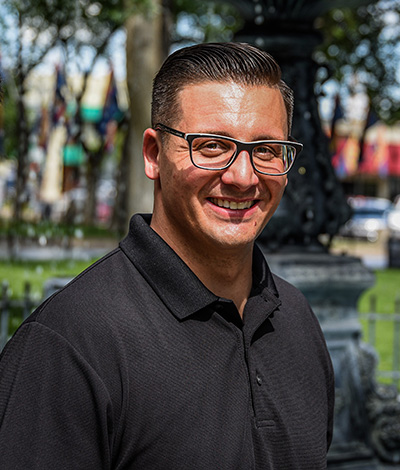
Finding purpose in pain is what Jonathon does best. He is a strong advocate for those suffering from substance use disorders. As a person in recovery, Jonathon knows how important it is to receive empathy and compassion. He recognizes that each person comes from a different set of circumstances and deserves to be valued and respected.
With a fresh perspective and compassionate attitude, Jonathon works closely with clients to help them let go of the past and know when to take necessary risks. The recovery process is ongoing, which means people need to move forward while applying the skills learned in treatment. Jonathon is a great motivator when it comes time for this!
Jonathon also places emphasis on the family unit and how it can make or break the recovery experience. Individuals with active, supportive families have far better outcomes. Jonathon realizes that it’s impossible to move mountains overnight, but with the right support team and positive attitude, anything is possible.