We hear some version of this question almost every week: “It’s legal, so how addictive can it really be?”
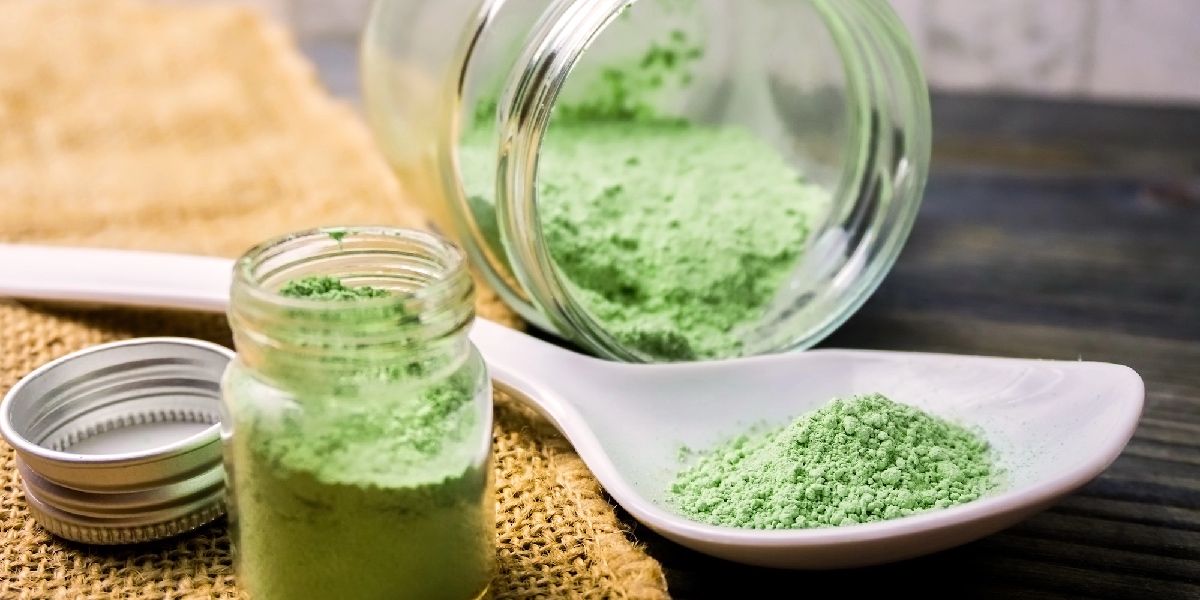
It’s a fair thing to wonder. Kratom and 7-OH products are often sold in places that feel ordinary, like convenience stores, smoke shops, and gas stations. They may sit near energy drinks, supplements, and other wellness products, with packaging that looks more like something you would buy for focus or pain relief than something that could lead to dependence.
But legal status and addiction potential are two completely different things. The honest answer is yes, both kratom and concentrated 7-OH products can lead to real dependence and real addiction. We see it regularly, and the pattern is more predictable than most people expect.
Tolerance, Dependence, and Addiction Aren’t the Same
It helps to separate three things people tend to lump together:
- Tolerance is when your body adjusts to a substance and you need more of it to get the same effect.
- Dependence is when your body has adapted to the point that it needs the substance just to feel normal, and stopping causes physical withdrawal.
- Addiction is what happens when use continues despite it causing real problems. The person also struggles to cut back even when they want to.
With kratom and especially with concentrated 7-OH products, we regularly see all three develop, sometimes faster than the person using expected. For instance, someone might start using kratom for energy or to manage pain, notice after a few weeks that the same amount doesn’t do much anymore, and increase their dose.
A few months later, they notice they feel anxious, achy, or off if they go too long without it. That’s the dependence setting in. Whether it crosses into addiction usually comes down to how much of life starts revolving around getting and using the product.
The Opioid Receptor Connection
The reason this happens comes down to brain chemistry, not willpower. Mitragynine, kratom’s main active compound, acts on the same opioid receptors targeted by prescription painkillers and heroin, though it behaves somewhat differently than a full opioid.
7-hydroxymitragynine, or 7-OH, binds to those same receptors more strongly, and the enhanced products sold today concentrate 7-OH well beyond what occurs naturally in the plant. The more strongly and consistently a substance activates those receptors, the more the brain adapts to its presence, and the harder it becomes to function without it.
That’s the same basic mechanism behind opioid use disorder, which is why we treat 7-OH dependence with the same seriousness we’d give any opioid.
Why Some People Become Dependent and Others Don’t
This is one of the things families often struggle to understand. One person may use kratom occasionally and never seem to have a problem, while someone else slips into daily use they cannot stop. The difference usually comes down to a combination of product strength, frequency of use, personal history, and why the person started using it in the first place.
- Dose and frequency matter. Someone drinking traditional kratom tea once in a while is in a very different situation than someone taking multiple enhanced 7-OH tablets every day.
- The product itself matters. Whole-leaf powder, extracts, liquid shots, and concentrated 7-OH products can vary widely in strength. Many people have no reliable way to know how potent the product actually is.
- Individual biology plays a role. Genetics, mental health, pain levels, tolerance, and prior substance use history can all affect how quickly dependence develops.
- The reason for use matters too. Someone using kratom or 7-OH for pain, anxiety, energy, or opioid withdrawal may be more likely to keep increasing use when the original problem is not being treated.
- Self-managing opioid withdrawal can become risky. We often see people use kratom or 7-OH to come off another opioid without involving a doctor. It may seem to work for a while, but it can also swap one dependence for another.
- The problem may go unrecognized for too long. Because these products are often sold as supplements, families and even the person using them may not realize they are dealing with an opioid-related dependence until things have gotten worse.
What Kratom Withdrawal Looks Like
The withdrawal symptoms we see closely mirror opioid withdrawal: muscle aches, anxiety, irritability, sweating, insomnia, nausea, and strong cravings. For lighter kratom users, it can feel like a rough flu that passes in a few days. For people using concentrated 7-OH products regularly, it tends to be more intense and can last longer, similar to what we’d expect from someone stopping a prescription opioid or heroin without medical support.
That intensity is exactly why we don’t recommend quitting cold turkey once dependence has set in. Withdrawal from an opioid-acting substance can be dangerous, and it’s almost always the reason someone goes right back to using, not because they lack willpower, but because the physical discomfort becomes unbearable enough that using again feels like the only relief available.
Why the Legal Label Makes This Harder
One of the more frustrating parts of what we see clinically is how much the legal, over-the-counter framing delays people getting help.
Someone using an opioid medication without a prescription usually knows, on some level, that it carries risk. Someone buying a 7-OH shot at a gas station often believes they’re using a wellness product. By the time dependence is undeniable, they’ve usually been struggling in silence for a while, unsure whether what they’re going through even qualifies as “real” addiction.
Reach Out to a Team That Understands Kratom and 7-OH
If you’ve been using kratom or 7-OH and stopping is not as simple as just deciding to quit, you are not alone. Maybe your dose keeps creeping up, withdrawal symptoms are making it hard to follow through, or you’re starting to realize this has become more serious than you expected.
Wolf Creek Recovery is here to help. Our team understands the risks associated with kratom and concentrated 7-OH products, and we can help determine whether medical support may be the safest starting point. Call us today at 928-227-8887 or fill out our contact form, and someone from our team will be in touch shortly.

Finding purpose in pain is what Jonathon does best. He is a strong advocate for those suffering from substance use disorders. As a person in recovery, Jonathon knows how important it is to receive empathy and compassion. He recognizes that each person comes from a different set of circumstances and deserves to be valued and respected.
With a fresh perspective and compassionate attitude, Jonathon works closely with clients to help them let go of the past and know when to take necessary risks. The recovery process is ongoing, which means people need to move forward while applying the skills learned in treatment. Jonathon is a great motivator when it comes time for this!
Jonathon also places emphasis on the family unit and how it can make or break the recovery experience. Individuals with active, supportive families have far better outcomes. Jonathon realizes that it’s impossible to move mountains overnight, but with the right support team and positive attitude, anything is possible.