
When you are carrying the profound weight of unresolved trauma, simply existing can feel completely exhausting. By the time you find yourself researching different types of trauma therapy late at night, you are likely tired of the relentless cycle of anxiety, hypervigilance, or the substance use that often develops as a way to cope. You know you need help, but looking at a list of clinical acronyms can feel overwhelming.
It is completely normal to wonder exactly how this process works and which approach will finally bring you relief. However, you do not have to diagnose yourself or determine your own treatment modality before asking for help. At Wolf Creek Recovery, we understand that true trauma recovery requires profound discretion, time, and highly individualized attention. Finding the right path is not about picking a modality from a menu; it is about working with Master’s-level clinicians who understand exactly what you are going through.
Understanding How the Brain Holds Trauma
To understand why therapies like EMDR and Brainspotting are so highly regarded, it helps to understand how trauma operates. When a traumatic event is so deeply disturbing, the nervous system can become overwhelmed, causing the memory to be stored improperly in the brain. This is why trauma does not just feel like a bad memory; it feels like the danger is still happening in the present moment.
Both EMDR and Brainspotting fall into a category of therapies designed to help the brain reprocess these stuck memories, allowing the nervous system to finally realize that the threat is gone. According to the American Psychological Association (APA), trauma-focused therapies are essential for resolving the deep-rooted emotional pain that traditional talk therapy often cannot reach.
What is EMDR Therapy?
Eye Movement Desensitization and Reprocessing (EMDR) is a highly structured therapy. Rather than asking you to detail every painful aspect of a memory, EMDR uses bilateral stimulation, typically guided eye movements, taps, or sounds, while you briefly focus on the distressing memory. This bilateral stimulation helps “unlock” the nervous system, allowing the brain to naturally reprocess the memory and store it without the intense emotional charge.
Wolf Creek Recovery offers an established trauma and EMDR therapy track in Arizona led exclusively by internationally certified therapists who adhere to the rigorous standards of the EMDR International Association (EMDRIA).
What is Brainspotting?
Brainspotting was born out of EMDR and operates on the core premise that “where you look affects how you feel.” Instead of using continuous bilateral eye movements, a therapist helps you locate a specific “brainspot”, a fixed eye position that correlates with the neural network holding the trauma. By holding your gaze on that specific spot, Brainspotting allows for deep, focused processing in the subcortical brain, often accessing pain that is difficult to articulate with words.
Which Approach Is the Right Choice?
It is a common misconception that one of these therapies is universally superior to the other. The truth is that the right type of trauma therapy depends entirely on your unique neurobiology, your history, and how you personally process distress.
Because true healing is never one-size-fits-all, Wolf Creek Recovery refuses to force clients onto a rigid, predetermined track. Instead, our care is anchored by an unparalleled two-therapist approach. You will receive multiple individual therapy sessions every week, allowing our clinical team to continuously assess your progress and ensure the modalities utilized are always medically appropriate for your exact needs.
The Environment Required for Deep Healing
Doing this level of emotional work is demanding. Dealing with trauma in a chaotic or sterile, institutional environment can cause the nervous system to remain on high alert. True luxury in trauma care means providing a setting where your mind and body feel genuinely secure enough to let their guard down.
Wolf Creek Recovery provides an upscale, resort-like residential treatment setting in Scottsdale specifically designed to support intensive clinical work. Between your sessions, you have the absolute privacy of single or semi-private executive accommodations. Our clients utilize structured golf therapy, equine therapy, and off-site hiking in the Arizona landscape to practice emotional grounding and nervous system regulation. Furthermore, because we know this work cannot be rushed, our continuum of care includes upscale supportive housing for long-term care beyond 30 days, with extended care available past 90 and 120 days for those who need the additional time, giving you the actual time required to heal.
We Meet You Where You Are
You have been carrying this invisible weight for long enough, and you do not have to figure out the clinical roadmap alone. If you are ready to explore what a personalized, medically appropriate trauma program looks like, our team is here to listen without judgment.
When you contact Wolf Creek Recovery, we will discuss what you are experiencing, confidentially verify your insurance, and help you determine the next best step. Call us 24/7 at (833) 732-8202. Let us help you build a life you love.
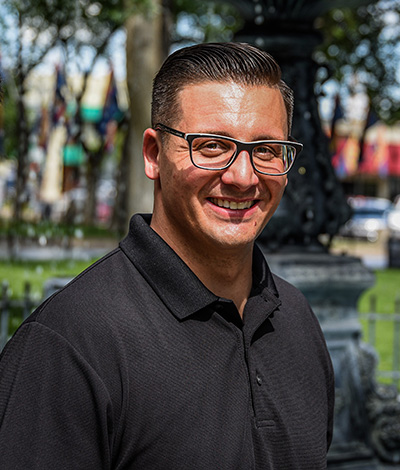
Finding purpose in pain is what Jonathon does best. He is a strong advocate for those suffering from substance use disorders. As a person in recovery, Jonathon knows how important it is to receive empathy and compassion. He recognizes that each person comes from a different set of circumstances and deserves to be valued and respected.
With a fresh perspective and compassionate attitude, Jonathon works closely with clients to help them let go of the past and know when to take necessary risks. The recovery process is ongoing, which means people need to move forward while applying the skills learned in treatment. Jonathon is a great motivator when it comes time for this!
Jonathon also places emphasis on the family unit and how it can make or break the recovery experience. Individuals with active, supportive families have far better outcomes. Jonathon realizes that it’s impossible to move mountains overnight, but with the right support team and positive attitude, anything is possible.