Finding the right Arizona drug treatment center can feel overwhelming—there’s no easy way around it. While having plenty of opportunities for support is beneficial, it can also make the selection process harder. Each treatment center has different programs, philosophies, levels of care, and price points. And, since you’re mostly relying on what you see online, it’s hard to experience what a program has to offer until you’re actually there.
At Wolf Creek Recovery, many of our staff members are in recovery and can relate to what it feels like to be in your shoes. While only you can make the final decision, we can help you identify what qualities to look for in a program so the search feels less daunting and you have a better chance of finding the right fit. Let’s dig into what separates good treatment from great treatment and the most important questions to ask in your search.
Start With the Appropriate Level of Care
Not every person seeking recovery requires the same level of support. Therefore, a quality Arizona drug treatment center will take the time to assess where you are clinically before recommending a program. Since they may briefly run through the levels of care offered, it’s helpful to understand the continuum of care.
Medical Detox
Medical detoxification is the appropriate first step for anyone with a physical dependency on drugs or alcohol. Detox should always be medically supervised, as withdrawal from certain substances can be dangerous and potentially life-threatening. Having clinical support during this process is both safer and more comfortable. Wolf Creek Recovery does not offer medical detox on-site, but we do have partners that we work closely with to ensure a seamless transition of care.
Residential Treatment
Residential (or inpatient) treatment provides 24-hour care in a structured environment, typically lasting 30 to 90 days. This high level of care is best for people whose home environment isn’t conducive to early recovery, whose addiction is severe, or who need intensive clinical support while they stabilize. The benefit to inpatient treatment is that it removes people from a triggering environment and allows them to focus solely on getting healthy.
Intensive Outpatient Program (IOP)
IOPs provide structured treatment, typically several hours a day, multiple days a week, while allowing clients to live at home or in sober living. It’s an appropriate level of care for people who have completed residential treatment and are stepping down, or for those whose situation allows for a less intensive starting point. What makes intensive outpatient programs unique is that they offer a high level of support while gradually transitioning individuals into the everyday world, where they can practice their skills in real time.
Outpatient Programs
Outpatient programs offer ongoing support with fewer clinical hours per week, typically suited to people who are further along in their recovery and need continued structure without full-time programming. Outpatient treatment is highly flexible and often designed for long-term support. Because sessions are typically scheduled once or twice per week, this level of care can fit around work, school, family responsibilities, and other daily commitments.
An Arizona drug treatment center worth choosing will assess each client individually and recommend the appropriate level of care. Keep in mind, however, that not all facilities offer the full continuum of care. Wolf Creek Recovery partners with trusted local detox centers for medical detox, then supports clients through the next stages of recovery with residential treatment, intensive outpatient programming, and outpatient care.
Verify Accreditation and Licensing
Any legitimate drug treatment center in Arizona should be licensed by the Arizona Department of Health Services and ideally hold accreditation from a recognized body such as the Joint Commission. Accreditation means the facility has been independently evaluated against rigorous clinical and operational standards—and has met them.
Licensing and accreditation protect you. They ensure that the staff are qualified, the facility meets safety standards, and the clinical practices in use are evidence-based. If a treatment center can’t readily provide this information, that is a significant red flag.
Evaluate the Clinical Approach
Quality addiction treatment is built on evidence-based clinical practices, which have been studied and proven effective in treating substance use disorders. When evaluating an Arizona drug treatment center, ask about the therapies they use and the credentials of the people delivering them.
Cognitive Behavioral Therapy, Dialectical Behavior Therapy, Motivational Interviewing, and trauma-informed care are among the most well-supported approaches in addiction treatment. Medication-assisted treatment for opioid and alcohol use disorders is another evidence-based option that has dramatically improved outcomes for many people in recovery.
Be thoughtful about programs that rely heavily on a single methodology or that can’t clearly articulate the clinical foundation of their approach. Good treatment is individualized. It meets each person where they are and adjusts as they progress.
Ask About Dual Diagnosis Treatment
The majority of people struggling with addiction also live with a co-occurring mental health condition such as depression, anxiety, trauma, PTSD, or bipolar disorder. When mental health conditions go unaddressed in treatment, they become ongoing relapse triggers after discharge. A treatment center that treats addiction in isolation, without the capacity to assess and address co-occurring conditions, is providing an incomplete picture of care.
Ask directly: does the program offer dual diagnosis treatment? Are there licensed mental health professionals on staff? How are co-occurring conditions identified and integrated into the treatment plan? The answers to these questions will tell you a great deal about the depth and quality of the program.
Consider the Environment and Setting
Arizona offers a powerful recovery environment, and that setting matters more than it might initially seem. Research supports what many people in recovery already know intuitively: being in a calm, natural environment supports the nervous system regulation that early recovery demands. Access to outdoor activities, sunshine, and a physically beautiful setting can enhance the treatment experience to a great degree.
Prescott, in particular, has become a nationally recognized recovery destination for exactly these reasons. The clean air, pine forests, granite landscapes, mild climate, and established recovery community create conditions where healing feels supported at every level. For those who choose sober living or opt to remain in the area after treatment, this broader environment supports a life without drugs or alcohol.
When evaluating facilities, consider whether the physical environment feels safe, calming, and conducive to the hard work of recovery. A setting that inspires hope is part of the treatment experience.
Look for Trust Before You Commit
The relationship between a client and their treatment team is another important factor in recovery outcomes. Look for a program where you feel heard during the admissions process, where your questions are answered honestly and thoroughly, and where the staff demonstrate real investment in the wellbeing of the people they serve.
Family involvement is another meaningful indicator of program quality. Addiction affects the entire family system, and treatment programs that offer family therapy, family education, and clear communication with loved ones throughout the process produce better outcomes.
Wolf Creek Recovery Is Here to Help
At Wolf Creek Recovery in Prescott, Arizona, we offer a full continuum of care—from medical detox and residential treatment through intensive outpatient programming—in one of the most healing environments in the country. Our clinical team is experienced, our approach is evidence-based and individually tailored, and our setting is one that inspires the kind of hope that recovery requires.
If you’re navigating this decision and looking for honest guidance, we’re here. Reach out to our admissions team today at 928-227-8887 and we’ll take the time to understand your situation and help you find the path that makes the most sense for you or your loved one.
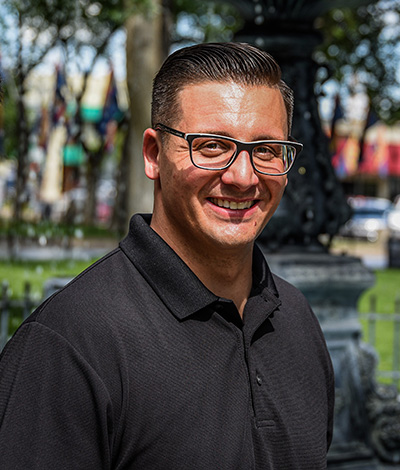
Finding purpose in pain is what Jonathon does best. He is a strong advocate for those suffering from substance use disorders. As a person in recovery, Jonathon knows how important it is to receive empathy and compassion. He recognizes that each person comes from a different set of circumstances and deserves to be valued and respected.
With a fresh perspective and compassionate attitude, Jonathon works closely with clients to help them let go of the past and know when to take necessary risks. The recovery process is ongoing, which means people need to move forward while applying the skills learned in treatment. Jonathon is a great motivator when it comes time for this!
Jonathon also places emphasis on the family unit and how it can make or break the recovery experience. Individuals with active, supportive families have far better outcomes. Jonathon realizes that it’s impossible to move mountains overnight, but with the right support team and positive attitude, anything is possible.