Finding the right opiate rehab in Prescott isn’t just about getting through withdrawal or making it to 30 days clean. It’s about building a life that no longer depends on opioids. That takes real support, the right environment, and a treatment program designed to meet people where they are in their recovery journey.
Prescott, Arizona is home to some of the most respected recovery programs in the Southwest—and for good reason. The area’s natural beauty, slower pace, and strong recovery community make it an ideal place to do the hard, meaningful work of healing. If you or someone you love is struggling with opioid dependence, understanding your options for opiate rehab in Prescott can be the first step toward lasting recovery.
What Is Opioid Dependence?
Opioids—whether prescription painkillers like oxycodone and hydrocodone, or illicit substances like heroin or fentanyl—are among the most physically and psychologically addictive substances known. That’s not a moral failing. It’s biology. Opioids bind to receptors in the brain that control pain, reward, and emotion, and over time, the brain begins to rely on them just to feel normal.
This is why willpower alone is rarely enough. Opioid dependence changes the brain in real, measurable ways, and reversing those changes takes time, medical support, and evidence-based treatment. The good news is that recovery is absolutely possible, and people do it every day.
Opiate Rehab in Prescott: What Does It Involve?
Effective opioid treatment isn’t one-size-fits-all. A quality program will offer multiple levels of care, so your treatment can adapt as your needs change throughout recovery. Here’s a breakdown of what those levels typically look like:
Detox
For most people, the first step in opioid recovery is medical detox. This process safely clears the substance from your body while managing withdrawal symptoms. Withdrawal from opioids can be intensely uncomfortable and, in some cases, medically complex. That’s why it should always be done under professional supervision rather than alone at home.
Wolf Creek Recovery offers detox referral services, connecting clients with trusted medical detox partners before stepping into residential treatment. This ensures a safe, supported transition from the very first day so that you’re not navigating the hardest part on your own.
Residential Treatment
After detox, residential treatment provides the structure and immersion that early recovery often requires. Living on-site means removing yourself from the environments, triggers, and stressors that can make staying sober feel impossible. It also means around-the-clock support, daily therapy, and the chance to build real connections with others who understand what you’re going through.
Wolf Creek Recovery’s residential program is set against the stunning backdrop of Prescott, Arizona. Here you’ll find a peaceful, grounding environment that supports the kind of deep inner work recovery demands. Our team of experienced clinicians uses evidence-based approaches including individual therapy, group therapy, and trauma-informed care to address not just the addiction itself, but the underlying factors that drive it.
Partial Hospitalization Program (PHP)
A partial hospitalization program is a step down from residential treatment. It offers intensive clinical support while allowing clients to begin reintegrating into daily life. Clients typically attend programming five days per week for several hours each day, receiving therapy and support while returning to a sober living environment in the evenings.
PHP is a critical bridge in long-term recovery. It maintains the structure and clinical intensity of residential care while gradually building the independence and coping skills needed to thrive outside of a treatment setting.
Intensive Outpatient Program (IOP)
An intensive outpatient program offers continued therapeutic support with even greater flexibility, making it ideal for individuals who have completed a higher level of care and are ready to return to work, school, or family responsibilities. Clients typically attend several sessions per week, continuing to build relapse prevention skills, process challenges in real time, and stay connected to a recovery community.
Wolf Creek Recovery’s IOP is designed to meet clients where they are in their recovery journey. A key component of the program is helping clients build accountability while receiving clinical support, without putting the rest of life entirely on hold.
Outpatient Services
For those who have completed intensive treatment or whose needs are better suited to a lighter level of support, standard outpatient services offer continued care with greater flexibility. Outpatient programming typically involves weekly therapy sessions that are focused on maintaining sobriety, strengthening coping skills, and staying connected to a recovery community. It’s an important part of the overall picture, because recovery doesn’t end when formal treatment does.
For those who live in the Prescott Valley area and surrounding communities (e.g., Chino Valley, Dewey-Humboldt), outpatient services through Wolf Creek Recovery mean you can stay close to home while still receiving the clinical support that keeps lasting recovery on track.
Other Tools for Long-Term Opioid Recovery
Treatment programs provide the foundation, but long-term recovery is built in the everyday choices and habits that support a healthy, fulfilling life. Here are some of the most effective tools people use to sustain their sobriety well beyond their time in a formal program.
Medication-Assisted Treatment (MAT)
For many people recovering from opioid dependence, medication-assisted treatment is a vital and evidence-based part of the process. MAT uses FDA-approved medications to reduce cravings, ease withdrawal symptoms, and stabilize brain chemistry while the deeper work of recovery takes place.
The most commonly used medications include buprenorphine (often known by the brand name Suboxone), methadone, and naltrexone (Vivitrol). These aren’t substitutes for recovery but rather tools that make recovery more achievable, especially in the critical early months. MAT is most effective when combined with therapy and a structured treatment program, which is why it fits naturally within a full continuum of care.
Getting Outside
Prescott is one of the most naturally beautiful places in Arizona, which is a huge benefit for those who are recovering here. Spending time outdoors has been shown to reduce stress, lower anxiety, and improve mood in meaningful ways.
Whether it’s a morning hike along the Granite Dells, an afternoon walk through Prescott’s historic downtown, or simply sitting outside in the fresh mountain air, nature has a quiet but powerful way of reminding people that the world is worth being present in. Many people in recovery find that building outdoor time into their daily routine becomes one of their most effective coping strategies.
Exercise and Physical Health
Opioid dependence takes a real toll on the body, and rebuilding physical health is an important part of recovery. Regular exercise helps restore the brain’s natural reward system by naturally boosting dopamine and endorphins. It also reduces anxiety, improves sleep, builds self-confidence, and provides structure to the day.
Keep in mind that exercise doesn’t have to be intense to be effective. A daily walk, a yoga class, swimming, or lifting weights a few times a week can all make a measurable difference in how someone feels in both body and mind.
Nutrition and Sleep
What you eat and how well you sleep have a bigger impact on recovery than most people realize. Opioid use often depletes the body of key nutrients and disrupts natural sleep cycles, leaving people feeling foggy, irritable, and emotionally unstable. In turn, this increases the risk of relapse.
Eating balanced meals rich in whole foods helps restore energy levels and supports brain health. Prioritize sleep as well, aiming for seven to nine hours a night and keeping a consistent schedule. Regular sleep regulates mood and strengthens the mental resilience recovery requires. While these aren’t glamorous strategies, they are foundational.
Healthy Relationships
Recovery doesn’t happen in isolation. The people around you matter, and building a support network of honest, caring, sober-minded individuals is one of the strongest predictors of long-term success.
This might mean leaning into family relationships that are ready to be repaired, finding a sponsor or recovery mentor, getting involved in a local AA or NA group, or simply surrounding yourself with people who respect and support your sobriety. Letting go of relationships that pull you back toward old patterns is just as important as building new ones that lift you forward.
Hobbies and Purpose
One of the most underrated aspects of long-term recovery is finding things that make life genuinely enjoyable. Opioid dependence has a way of narrowing a person’s world, crowding out the interests, passions, and activities that once brought real pleasure. Recovery is the chance to reclaim those things, or discover new ones.
Cooking, gardening, painting, music, volunteering, woodworking, writing—whatever sparks genuine engagement and gives the day a sense of meaning. Having something to look forward to is a powerful buffer against the boredom and emptiness that can make relapse feel tempting. Recovery isn’t just about removing something harmful. It’s about filling that space with something worth staying sober for.
Why the Full Continuum of Care Matters
One of the most important things to look for when choosing an opiate rehab in Prescott is whether the program offers a true continuum of care. Recovery is not a single event but rather a process that unfolds over months and years. When your treatment provider can walk with you from detox referral all the way through residential, PHP, and IOP, you don’t have to start over with a new team every time your needs change.
That kind of continuity builds trust, deepens the therapeutic relationship, and significantly improves long-term outcomes. It also means there’s always a next step waiting for you—you’re never left to figure out the transition on your own. Even once you’ve moved through the various levels of care, Wolf Creek Recovery is still here for you, offering Extended Care services and Alumni groups.
Take the First Step Today
If you or someone you love is struggling with opioid dependence, please don’t wait. Help is available, recovery is real, and you don’t have to figure this out alone.
Contact Wolf Creek Recovery today at 928-365-3857 to learn more about opiate rehab in Prescott and find out which level of care is the right fit. Our team is ready to answer your questions, walk you through your options, and help you take the first step toward a life you’re proud of.
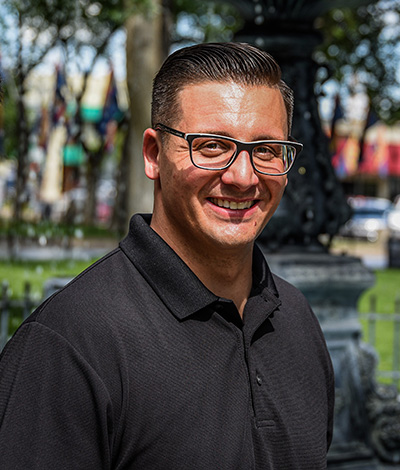
Finding purpose in pain is what Jonathon does best. He is a strong advocate for those suffering from substance use disorders. As a person in recovery, Jonathon knows how important it is to receive empathy and compassion. He recognizes that each person comes from a different set of circumstances and deserves to be valued and respected.
With a fresh perspective and compassionate attitude, Jonathon works closely with clients to help them let go of the past and know when to take necessary risks. The recovery process is ongoing, which means people need to move forward while applying the skills learned in treatment. Jonathon is a great motivator when it comes time for this!
Jonathon also places emphasis on the family unit and how it can make or break the recovery experience. Individuals with active, supportive families have far better outcomes. Jonathon realizes that it’s impossible to move mountains overnight, but with the right support team and positive attitude, anything is possible.