Blue Cross Blue Shield is one of the most widely held types of health insurance in the country, and that wide reach is good news for anyone considering addiction or mental health treatment. Depending on your plan, BCBS can cover up to 100% of your treatment at Wolf Creek Recovery.
Still, many BCBS members aren’t sure how their coverage works, especially if they’re thinking about traveling to Prescott, Arizona, for care. Here’s what you should know.
Blue Cross Blue Shield Isn’t Just One Company
Here’s something that surprises a lot of people: Blue Cross Blue Shield isn’t a single insurance company. It’s a network of more than 30 independent, locally operated companies that share the Blue name. Depending on where you live, your plan might come from Blue Cross Blue Shield of Texas, Highmark, Premera, Anthem, or another regional Blue plan. Here in Arizona, it’s Blue Cross Blue Shield of Arizona.
Each of these companies sets its own plans and benefits, but they work together so members can get care beyond their home state. Like every major insurer, BCBS plans are required under federal law to cover substance use and mental health treatment comparable to other medical care. The details, though, depend on your local Blue plan and the specific policy you have.
What Your BCBS Card Can Tell You
Your insurance card holds more clues than you might think. Many BCBS cards include a small suitcase symbol, which usually means your plan participates in the BlueCard program. BlueCard helps members access care from participating Blue providers when they’re outside their home state, which can be a big help if you’re considering addiction treatment in Arizona.
The first few characters of your member ID, often called the prefix, identify which Blue plan you belong to. And on the back of your card, you’ll typically find a phone number for member services or behavioral health. You don’t need to decode any of this on your own, though. Just have your card handy when you call us, and our admissions team can take it from there.
Your Recovery Journey at Wolf Creek
Rather than a one-size-fits-all program, treatment at Wolf Creek Recovery follows you through each stage of healing, and BCBS plans may help cover care at many of those stages.
Getting Stable
For many clients, the first step in the healing process is medically supervised detox. This process stabilizes the mind and body by removing drugs, alcohol, and toxins. When done safely and comfortably under professional care, it’s possible to manage symptoms and make the process more tolerable. Most BCBS plans recognize detox as medically necessary when it’s needed.
Healing in Comfort
Once the body is stable, clients can move into the next phase of recovery, which focuses on therapy. Residential treatment is a natural next step after detox, providing a safe, supportive setting where individuals can focus fully on their recovery.
Partial hospitalization and intensive outpatient programs are other common treatment options, with the main difference being that they allow clients to live at home or in a supportive living environment rather than at the treatment facility.
At Wolf Creek, our luxury treatment programs are designed to feel restorative rather than clinical. Clients participate in individual and group therapy, along with alternative and holistic approaches such as EMDR, meditation, and recreational therapy.
Treating the Whole Picture
It’s not uncommon for an individual struggling with substance use to have a co-occurring condition like anxiety or depression as well. Substance use and mental health disorders go hand in hand, often because people attempt to self-treat the symptoms they are experiencing.
Wolf Creek provides comprehensive treatment, which includes treating the whole person with dual diagnosis care. Holistic therapies like yoga, mindfulness, nutrition support, and experiential activities can also help round out the plan, rebuilding both body and mind.
Stepping Back Into Life
As clients grow stronger, they can step down to lower levels of care, such as intensive outpatient and outpatient care. These programs involve fewer hours compared to residential or partial hospitalization, helping individuals transition back to daily life with continued support. Many BCBS plans extend coverage to these levels as well.
Questions Worth Asking About Your Coverage
Since every Blue plan is different, there’s a few questions you’ll want to answer:
- Is your plan an HMO, PPO, or EPO?
- Does your plan cover care outside your home state?
- How much of your deductible have you met this year?
- What is out-of-pocket maximum?
- Does your plan require pre-authorization?
While you can ask your insurer these questions directly, you can also call Wolf Creek Recovery. Our admissions team will contact your Blue Cross Blue Shield plan on your behalf and verify your benefits over the phone.
This service is completely free, with no obligation to move forward. You can feel confident knowing you’re getting accurate information from a team that genuinely cares about helping you find the right treatment. In many cases, we can provide clear answers the same day.
Your Blue Card Can Open the Door to Recovery
No matter which state your Blue Cross Blue Shield plan comes from, Wolf Creek Recovery is ready to help you explore your options. With luxury accommodations, individualized dual diagnosis treatment, and holistic care in a peaceful Arizona setting, we’re focused on helping you build a recovery that lasts, and we’ll handle the insurance details along the way.
Have Blue Cross Blue Shield? Contact Wolf Creek Recovery today for a free, confidential benefits check and take your first step toward healing.
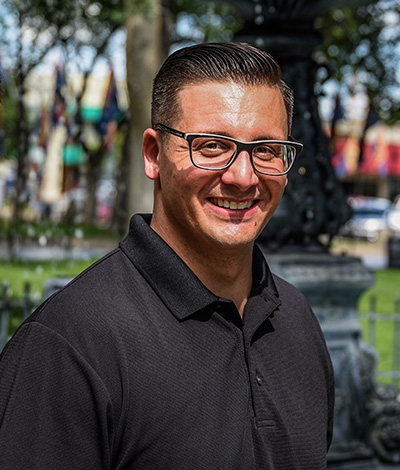
Finding purpose in pain is what Jonathon does best. He is a strong advocate for those suffering from substance use disorders. As a person in recovery, Jonathon knows how important it is to receive empathy and compassion. He recognizes that each person comes from a different set of circumstances and deserves to be valued and respected.
With a fresh perspective and compassionate attitude, Jonathon works closely with clients to help them let go of the past and know when to take necessary risks. The recovery process is ongoing, which means people need to move forward while applying the skills learned in treatment. Jonathon is a great motivator when it comes time for this!
Jonathon also places emphasis on the family unit and how it can make or break the recovery experience. Individuals with active, supportive families have far better outcomes. Jonathon realizes that it’s impossible to move mountains overnight, but with the right support team and positive attitude, anything is possible.