
Have you spent months or even years trying to help someone you love, wondering whether every new outpatient attempt or therapy session will finally bring lasting change? When you have supported outpatient appointments and encouraged every possible resource, watching the same painful patterns continue can leave you feeling completely exhausted and unsure of what to do next.
Recognizing when residential treatment may be appropriate is not about giving up. It is about understanding whether your loved one’s current care meets their needs. When substance use continues despite treatment, daily responsibilities become harder to manage, or safety concerns increase, a professional assessment can help determine the next steps.
When Outpatient Treatment Stops Meeting Their Needs
Outpatient treatment allows people to receive care while living at home. However, some may need more structure than this setting provides.
Your loved one may continue using substances between appointments, miss sessions, or struggle to follow their treatment plan. Their therapist may also express concerns about their progress or safety.
These patterns do not automatically mean residential treatment is necessary. They indicate that the current treatment plan may need reassessment. Our team can help you understand the available options and discuss whether residential care may be appropriate.
Behavioral Signs That May Point Toward Residential Treatment
Changes in behavior and daily functioning can indicate that substance use is affecting someone’s life. Several concerns occurring together may warrant a professional assessment.
- Withdrawal from important relationships. Your loved one may stop responding to friends, avoid family gatherings, or become defensive during conversations. Social withdrawal can strain relationships and reduce access to support.
- Difficulty managing daily responsibilities. Missed work, unpaid bills, declining personal hygiene, or disrupted routines may indicate that your loved one is struggling. A professional assessment can help identify the underlying concerns.
- Repeated difficulties with outpatient treatment. If different therapists, recovery meetings, or medication management have not provided the expected progress, a clinician can assess whether residential treatment or another approach may better meet their needs.
- Concerns about physical or emotional safety. Dangerous behavior while using substances, a suspected overdose, or thoughts of self-harm require serious attention. If you suspect an overdose, call 911 immediately. If your loved one is experiencing emotional distress or having thoughts of suicide, call or text 988 to reach the Suicide & Crisis Lifeline. If there is immediate danger, call 911. These situations require immediate support and should not wait for a residential treatment assessment.
- Continued substance use despite serious consequences. Health problems, legal difficulties, financial strain, or disrupted relationships may not stop someone from using. These patterns can indicate a need for a comprehensive treatment assessment.
When to Consider Rehab for Your Loved One
The decision to pursue residential treatment often follows repeated attempts to help. You may have encouraged treatment, established boundaries, or hoped that another promise would lead to change.
The appropriate level of care depends on your loved one’s health, substance use history, living environment, and response to previous treatment. We encourage families to speak with our team to understand the available options and whether residential care may be suitable.
What Residential Treatment at Wolf Creek Recovery Offers
At our Scottsdale location, we combine individualized clinical care with personal attention in a luxury residential setting.
Our two-therapist approach is offered at our Scottsdale location. Residents receive multiple individual therapy sessions each week with our Master’s-level clinicians, allowing for individualized attention and different clinical perspectives throughout treatment.
Our program includes trauma-focused EMDR with internationally certified therapists, a dedicated family therapy track, psychiatric evaluations, and provider visits weekly or several times per week, depending on clinical needs. We develop individualized treatment plans around each person’s circumstances and recovery goals.
We also integrate family involvement through family therapy and communication with therapists. Our approach gives family members opportunities to understand addiction, address relationship challenges, and learn how to support recovery.
A Luxury Environment That Complements Clinical Care
Our Scottsdale location provides a private, upscale residential setting that combines personalized clinical care with comfortable surroundings. Our amenities include a pool and spa, a full gym, personal training, weekly golf therapy, and offsite hiking, alongside resort-style amenities, recreational activities, and opportunities to spend time outdoors. We also offer regularly scheduled equine therapy and other holistic activities alongside evidence-based individual and group therapy.
Single executive rooms and semi-private accommodations with full or queen-sized beds are available, with specific private spaces assigned based on current availability. For individuals who need continued support beyond an initial residential stay, we offer longer-term treatment and upscale supportive housing options, depending on individual needs and the care plan. While our primary residential program remains housed right here in Scottsdale to provide a structured environment, any extended step-down or transitional housing associated with our broader continuum is managed at separate designated facilities.
Navigating Insurance and Financial Coverage
Reviewing financial options and insurance details should be a transparent and straightforward process. Our admissions team collaborates directly with major commercial insurance providers, including Aetna, Cigna, Anthem/BCBS, GEHA, MultiPlan, Beacon, AmeriBen, TriWest, Carelon, and UMR, to verify your policy details and discuss your options before enrollment begins.
Because coverage determinations are made by individual insurance policies, exact benefits depend entirely on your specific plan parameters. We do not accept Medicare or Medicaid. You may contact our admissions staff at any time for a direct, confidential review of your policy with no commitment required.
Taking the Next Step Toward Healing
You do not need to have every answer before asking for help. We can help you understand our Scottsdale program, discuss your loved one’s needs, and review insurance coverage. If detox is a concern, our admissions team can also explain how we coordinate the process.
Call Wolf Creek Recovery at (833) 732-8202 for a confidential conversation about residential treatment in Scottsdale and the next steps for your family.
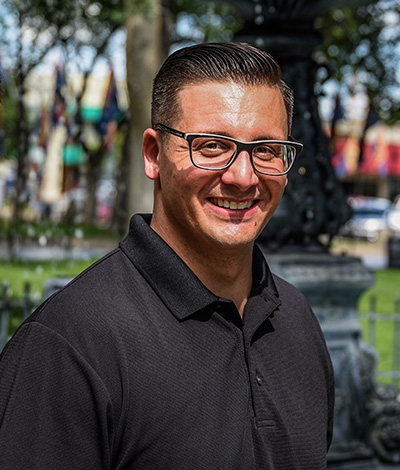
Finding purpose in pain is what Jonathon does best. He is a strong advocate for those suffering from substance use disorders. As a person in recovery, Jonathon knows how important it is to receive empathy and compassion. He recognizes that each person comes from a different set of circumstances and deserves to be valued and respected.
With a fresh perspective and compassionate attitude, Jonathon works closely with clients to help them let go of the past and know when to take necessary risks. The recovery process is ongoing, which means people need to move forward while applying the skills learned in treatment. Jonathon is a great motivator when it comes time for this!
Jonathon also places emphasis on the family unit and how it can make or break the recovery experience. Individuals with active, supportive families have far better outcomes. Jonathon realizes that it’s impossible to move mountains overnight, but with the right support team and positive attitude, anything is possible.