
For some people, the thought of entering addiction treatment brings up more than questions about recovery. You may wonder whether you will feel safe, whether you will be expected to share painful memories before you are ready, or whether your concerns will be heard. If you have lived through trauma, these worries can make asking for help feel even harder.
Treatment should not add to that fear. It should recognize how past experiences can shape your sense of safety, trust, and control. This is why trauma-informed care matters. Alongside the therapies you receive, the way you are treated and the environment around you can influence how comfortable you feel taking part in recovery.
What Trauma-Informed Care Actually Means
Trauma-informed care is not a single therapy modality. It is a clinical framework that shapes interactions, policies, and decisions during treatment. It recognizes how trauma may affect a person and emphasizes safety, trust, collaboration, and choice.
In practice, trauma-informed addiction treatment is built on several core principles:
- Physical and emotional safety: Providing predictable routines and clear expectations.
- Choice and control: Allowing you to participate in treatment decisions and communicate when activities or groups feel uncomfortable.
- Collaboration: Working with you, not on you, so your voice helps shape your care.
- Trustworthiness: Maintaining clear boundaries and following through on commitments.
- Avoiding re-traumatization: Taking care not to pressure you to discuss traumatic experiences before you feel ready.
For someone who has experienced trauma, these principles can support a more respectful treatment experience. Many people with substance use disorders also have a history of trauma, although each person’s experiences and needs are different.
Why the Scottsdale Environment Supports Trauma Recovery
The physical environment can influence how comfortable someone feels participating in treatment. A crowded facility with constant noise and little privacy may feel overwhelming for some people, particularly those affected by past experiences.
Our Scottsdale location provides residential addiction treatment in a structured setting. It offers private and semi-private accommodations, with private rooms subject to availability at the time of admission, a pool and spa, and access to the Arizona outdoors. These features complement our clinical approach to trauma-informed care by providing a residential setting where people can focus on recovery.
Privacy as a Clinical Tool
When you have experienced trauma, being observed or exposed can feel threatening. Private and semi-private accommodations offer personal space to rest and step away from social demands when needed.
Discretion also allows you to focus on treatment without unnecessary concerns about your privacy or what others might think.
Outdoor Access and Nervous System Regulation
Trauma can affect both emotional and physical well-being. Outdoor activities and offsite hiking in the natural landscape around Scottsdale provide opportunities for movement, fresh air, and time away from everyday pressures. Some people find these experiences grounding, although their effects vary.
These activities can complement clinical treatment, alongside weekly golf therapy and regularly scheduled equine therapy, which may offer opportunities to practice engagement, build confidence, and develop trust.
Predictability and Structure
Our Scottsdale residential program provides a structured treatment setting while recognizing that individual needs vary. Clear routines and expectations can help you understand what to expect each day. Having a voice in your care also allows you to communicate your needs and preferences.
How EMDR and Trauma Therapy Fit In
Our EMDR trauma track, led by EMDRIA-certified and internationally trained therapists, is part of our trauma treatment approach. EMDR therapy helps people process distressing memories and experiences. A therapist can assess whether it is appropriate based on your needs and circumstances.
The treatment environment and therapy work together. Our Scottsdale two-therapist approach and multiple individual therapy sessions each week provide opportunities for individualized clinical attention.
Your therapist can help determine an appropriate pace for treatment based on your needs and readiness to work through difficult experiences.
Family Involvement in Trauma Recovery
Trauma can affect family relationships. Our program includes family involvement and communication with therapists, along with a dedicated family therapy track.
With your consent and when clinically appropriate, family members can participate in your recovery. Our clinical team facilitates these conversations to support healthier communication and help families understand their role in the treatment process.
Understanding Your Treatment Options
Planning for residential treatment can feel overwhelming, especially when you have questions about insurance coverage. Our admissions team can help make the process easier.
If you would like to talk through your choices, you can request a callback by providing your basic contact information. If you want a detailed review of your coverage, submit your insurance details so our admissions team can verify your benefits and explain your options.
We can help verify benefits for plans from commercial insurance carriers such as Aetna, Cigna, Anthem/BCBS, GEHA, MultiPlan, Beacon, AmeriBen, TriWest, Carelon, and UMR. Coverage depends on your specific policy and the benefits available for treatment. We do not accept Medicare or Medicaid.
There is no pressure or obligation to reach out. Your information is kept confidential, and our team is here to help you understand your options.
Find the Right Support for Your Needs
If you are considering trauma-informed care in Scottsdale, our team can discuss how addiction treatment and trauma therapy may fit into your care plan. We can explain our clinical approach, EMDR treatment options, and residential program to help you determine whether our services suit your needs.
Call (833) 732-8202 to discuss your treatment options and next steps.
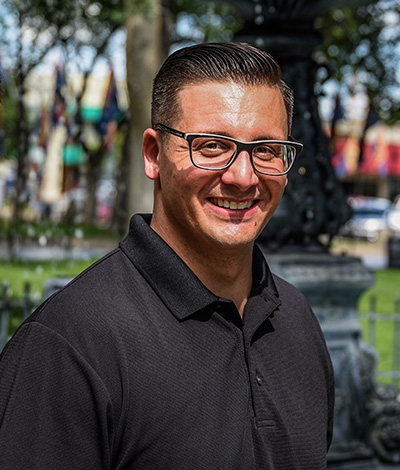
Finding purpose in pain is what Jonathon does best. He is a strong advocate for those suffering from substance use disorders. As a person in recovery, Jonathon knows how important it is to receive empathy and compassion. He recognizes that each person comes from a different set of circumstances and deserves to be valued and respected.
With a fresh perspective and compassionate attitude, Jonathon works closely with clients to help them let go of the past and know when to take necessary risks. The recovery process is ongoing, which means people need to move forward while applying the skills learned in treatment. Jonathon is a great motivator when it comes time for this!
Jonathon also places emphasis on the family unit and how it can make or break the recovery experience. Individuals with active, supportive families have far better outcomes. Jonathon realizes that it’s impossible to move mountains overnight, but with the right support team and positive attitude, anything is possible.