You have stopped using, and that is a significant milestone. Perhaps it has been weeks or even months. You are showing up and doing what is required. Yet, there is a lingering feeling beneath it all, a restlessness or noise that never fully quiets. You might keep thinking, “Is this just what staying sober feels like?”
What you are feeling may have several contributing factors. For some people, trauma or other mental health concerns can affect their experience of recovery, and understanding those factors may help identify the support they need.
The Difference Between Stopping and Staying Stopped
Stopping substance use without addressing trauma is entirely possible. You might even be doing it right now. But remaining sober long-term, building a life where you are not white-knuckling through every single day, is exactly where unprocessed trauma tends to surface.
Trauma does not always look the way you assume. It is not always a single catastrophic event. Sometimes it is chronic instability, emotional neglect, or years spent navigating environments that did not feel safe. When those experiences go unaddressed, they do not simply fade away. They remain beneath the surface, heavily influencing how you cope, how you regulate your emotions, and how you respond to stress.
When substances were your primary coping mechanism, removing them does not remove the pain they were managing. It simply removes the buffer.
How Unprocessed Trauma Shows Up in Your Recovery
You might notice this in the way you react to situations that should not feel so difficult. A minor conflict feels catastrophic. Boredom feels unbearable. Connection feels unsafe, exhausting, or like something you do not deserve.
These are not character flaws. They are trauma responses, which are patterns you developed to survive something that once felt threatening. When these patterns are not understood or addressed, they may contribute to emotional distress and make recovery more challenging for some people.
While trauma and relapse are not guaranteed, they can be clinically connected. When you carry unresolved trauma, you may face greater challenges in sustaining your recovery. This is never due to a lack of willpower. It happens because underlying co-occurring challenges or trauma-related distress remain active.
What Trauma Treatment Actually Looks Like
Addressing trauma within the context of your substance use disorder is not about endlessly rehashing the past. It is about understanding how the past remains present and learning new ways to process what you have carried alone for too long.
At Wolf Creek Recovery, clinical care remains central to our five-star program. We integrate trauma work into your individualized treatment plan through evidence-based modalities like EMDR (Eye Movement Desensitization and Reprocessing). Led by our EMDRIA- or internationally certified therapists, this medically appropriate intervention helps reprocess your traumatic memories so they no longer carry the same debilitating emotional charge. This reduces the hypervigilance, intrusive thoughts, and emotional dysregulation that accompany unresolved trauma.
We provide multiple individual therapy sessions each week with our Master’s-level clinicians, ensuring you have the time and consistency needed to safely navigate these deeper layers. This is your personalized approach, paced exactly to where you are, rather than adhering to a rigid manual.
Building a Life You Do Not Need to Escape
Sustainable recovery means developing new ways to navigate the world without feeling constantly on edge. It requires creating internal safety, not just external compliance.
If you require detox before residential treatment, call Wolf Creek Recovery to discuss availability. Our team handles the logistics by partnering with trusted medical detox providers across Arizona, arranging your transportation and maintaining clear communication between your family and medical providers while outlining next steps for your care.
We provide exceptional comfort in private, upscale accommodations. You can engage in holistic approaches like equine therapy, structured golf therapy, and access to a full gym and spa. These luxury resort amenities complement our rigorous clinical work, helping you reconnect with yourself. Your length of stay is individualized according to your clinical needs, typically spanning 30 to 120 days based on clinical assessment, with upscale supportive housing available for your extended care.
Understanding Your Insurance and Benefits
Worrying about the cost of premium care should never stand in the way of your healing. Depending on the details of your specific policy, your insurance benefits can cover 100% of our program. Because your individual plan dictates exact coverage, we must verify your benefits directly and cannot make financial guarantees prior to this step.
We are proud to accept a wide range of commercial insurance providers, including Aetna, Cigna, Anthem/BCBS, GEHA, MultiPlan, Beacon, AmeriBen, TriWest, Carelon, and UMR. Please note that Wolf Creek Recovery does not accept Medicaid or Medicare. Our admissions team is available 24/7 to handle a completely confidential insurance review, helping lift the administrative burden so you can focus entirely on healing.
You Do Not Have to Choose Between Sobriety and Healing
You do not have to choose between merely surviving your sobriety and truly healing. We are here to help you make Wolf Creek Recovery your last stop for treatment, empowering you to build a safe, fulfilling life free from the weight of your past.
Call (833) 732-8202 today for confidential support.
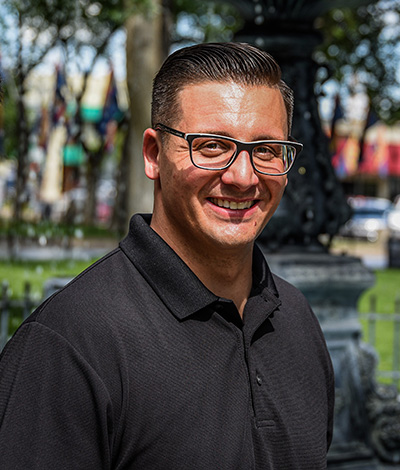
Finding purpose in pain is what Jonathon does best. He is a strong advocate for those suffering from substance use disorders. As a person in recovery, Jonathon knows how important it is to receive empathy and compassion. He recognizes that each person comes from a different set of circumstances and deserves to be valued and respected.
With a fresh perspective and compassionate attitude, Jonathon works closely with clients to help them let go of the past and know when to take necessary risks. The recovery process is ongoing, which means people need to move forward while applying the skills learned in treatment. Jonathon is a great motivator when it comes time for this!
Jonathon also places emphasis on the family unit and how it can make or break the recovery experience. Individuals with active, supportive families have far better outcomes. Jonathon realizes that it’s impossible to move mountains overnight, but with the right support team and positive attitude, anything is possible.