
You have likely noticed a persistent pattern. The memories you try to outrun, the feelings you work so hard to numb, and the cycles that pull you back all remain, even when you are actively trying to stop using. If you are reading this at 2 a.m., wondering why sobriety has not lasted or why getting through the day still feels overwhelming after detox, there is something you should know: trauma can be one factor affecting recovery, and understanding its role may help you and your treatment team identify the support you need.
It is not a character flaw. It is not a weakness. And it is not something you can simply power through on your own.
The Deep Connection Between Trauma and Addiction
Many individuals with substance use disorders are living with trauma they never had the safe space or support to address. Childhood experiences, attachment wounds, grief, loss, or PTSD are more than just painful memories. For many people, they influence how you cope, how you relate to others, and how you manage emotional pain.
When trauma and substance use concerns occur together, addressing both within an individualized treatment plan can support recovery. Trauma-focused care may be part of that plan, depending on the person’s needs and assessment.
Trauma is not always combat or a catastrophic event. It can stem from neglect, emotional abuse, the absence of consistent care, witnessing violence, or growing up in a household where your needs were unmet. It can be a single shattering loss or years of chronic stress. What these experiences share is that they overwhelm your ability to process them. When the mind and body cannot integrate what happened, the pain gets stored, sometimes for decades.
Substances often become a way to manage what feels unmanageable, such as the hypervigilance, the shame, the terror, or the numbness. Many people describe using as the only thing that ever helped them feel safe, calm, or connected. That is not accidental. Research shows a deep interconnection between trauma and addiction. Substances work to numb the pain until they eventually stop working.
Why Stabilization Must Come First
Here is what matters most: trauma processing cannot happen safely while you are actively using, and it should not happen immediately after you stop. Your nervous system needs time to stabilize. You require sleep, proper nutrition, safety, and the foundation of emotional regulation before you can begin looking at what lies underneath.
This is why our trauma treatment Scottsdale program starts with structure and clinical support, rather than rushing into your deepest wounds on day three. In individual therapy with our Master’s level clinicians, you will have multiple sessions each week to build trust and develop coping skills so that we can assess your needs. In-person psychiatric evaluations ensure that co-occurring mental health conditions, like depression, anxiety, or PTSD, are identified and treated in a medically appropriate way.
Only when you are ready, and never on a predetermined timeline, does the deeper trauma work begin.
EMDR and Specialized Trauma Care
We offer a dedicated trauma track featuring therapists who are EMDRIA-certified or internationally certified in Eye Movement Desensitization and Reprocessing (EMDR). EMDR is an evidence-based therapy used to help people process traumatic memories. At Wolf Creek Recovery, trauma-focused care is individualized and guided by each person’s needs and clinical assessment.
Beyond EMDR, your trauma care includes attachment-focused work, grief and loss processing, and comprehensive family therapy for those whose early relational wounds continue to shape their present lives. Your treatment is always individualized, determined after a thorough assessment, and adjusted as you progress.
What Trauma Treatment Actually Looks Like
If you need detox before residential treatment, call Wolf Creek Recovery to discuss availability. Our admissions team can coordinate medically supervised detox through withdrawal management across Arizona, including transportation and communication between your family and medical providers. We can also explain the next steps toward continued treatment.
At our Scottsdale location, you are in a private, upscale environment with single executive rooms and semi-private accommodations available. You work with a two-therapist approach for deeper insight and individualized attention. You also participate in holistic therapies like equine therapy and structured golf therapy to help regulate your nervous system in ways words cannot always reach.
Your length of stay with us is individualized to your needs, typically spanning 30 to 120 days based on clinical assessment. If you require ongoing structure, you have access to our upscale supportive housing beyond 30 days, with extended care options continuing beyond 90 and 120 days.
Insurance Coverage and Confidential Verification
Healing from trauma requires a foundation of safety and peace of mind. To ensure financial questions do not disrupt your sense of security, our dedicated admissions team is available 24/7 to conduct a completely confidential insurance verification.
Depending on your specific plan details, your insurance benefits can cover 100% of our program. Because every individual policy dictates exact coverage levels, we must review your plan directly and cannot guarantee coverage prior to this verification. We proudly partner with numerous commercial insurance networks, including Aetna, Cigna, Anthem/BCBS, GEHA, MultiPlan, Beacon, AmeriBen, TriWest, Carelon, and UMR.
Please note that Wolf Creek Recovery does not accept Medicaid or Medicare. Let us handle these logistical details so you can dedicate your full energy to your healing journey.
Take the Next Step
You do not have to carry this heavy burden alone anymore. If you have been through treatment before and relapsed, or if you have tried to get sober on your own and it has not lasted, unprocessed trauma may be the missing link.
Overcoming the weight of the past requires an environment where exceptional clinical care anchors your healing. We invite you to make Wolf Creek Recovery your trusted partner for treatment, combining individualized clinical care with a supportive, private environment. If trauma and substance use are both affecting your life, our team can help you explore treatment options tailored to your needs.
Call (833) 732-8202 today to speak with us confidentially and take the first step toward a healthier, sober life.
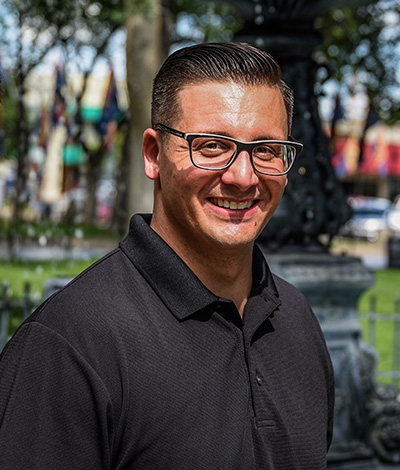
Finding purpose in pain is what Jonathon does best. He is a strong advocate for those suffering from substance use disorders. As a person in recovery, Jonathon knows how important it is to receive empathy and compassion. He recognizes that each person comes from a different set of circumstances and deserves to be valued and respected.
With a fresh perspective and compassionate attitude, Jonathon works closely with clients to help them let go of the past and know when to take necessary risks. The recovery process is ongoing, which means people need to move forward while applying the skills learned in treatment. Jonathon is a great motivator when it comes time for this!
Jonathon also places emphasis on the family unit and how it can make or break the recovery experience. Individuals with active, supportive families have far better outcomes. Jonathon realizes that it’s impossible to move mountains overnight, but with the right support team and positive attitude, anything is possible.